Why Emotional Wellbeing Matters More Than Ever
Young people today are growing up in a fast-moving, high-pressure world. Academic expectations, social comparisons, digital exposure, and uncertainty about the future often place emotional strain on adolescents. While education systems focus heavily on academic performance, emotional wellbeing is frequently overlooked. Yet emotional wellbeing is not a luxury or an optional add-on—it is a life skill. When young people learn to understand and manage their emotions, they are better equipped to handle challenges, make thoughtful decisions, and build healthy relationships.
Emotional wellbeing as a life skill prepares young people not just to succeed, but to cope, adapt, and thrive. It forms the foundation for resilience, confidence, and long-term mental balance.
Understanding Emotional Wellbeing
Emotional wellbeing is the ability to recognise, understand, and manage one’s emotions in healthy ways. It does not mean being happy all the time or avoiding difficult feelings. Instead, it involves awareness, acceptance, and constructive response. Young people with strong emotional wellbeing can identify what they feel, understand why they feel it, and choose how to respond rather than react impulsively.
Developing this awareness early helps young people build emotional intelligence. It allows them to navigate stress, disappointment, peer pressure, and change with greater clarity and self-control.
The Emotional Challenges Young People Face
Adolescence is a period of rapid emotional and psychological change. Young people often experience mood fluctuations, identity exploration, and heightened sensitivity to external opinions. Social media intensifies comparison, while academic pressure and family expectations add further stress.
Without guidance, these emotional experiences can feel overwhelming. Many young people struggle to express feelings openly or fear being misunderstood. Emotional wellbeing education helps normalise these experiences and provides language and tools to process emotions safely and confidently.
Emotional Awareness: The First Step
Emotional wellbeing begins with awareness. Young people must first learn to identify and name their emotions. Many adolescents can recognise physical feelings like stress or discomfort but struggle to articulate emotional states such as anxiety, frustration, or sadness.
When young people learn that emotions are natural and temporary, fear and confusion reduce. Awareness creates space for reflection. Instead of suppressing emotions or acting on impulse, young people begin to pause, observe, and respond more thoughtfully. This simple shift has a powerful impact on emotional regulation and decision-making.
Building Emotional Regulation and Self-Control
Emotional regulation is the ability to manage emotional responses in healthy ways. It does not involve ignoring emotions but learning how to respond constructively. For young people, this skill is essential in handling conflict, disappointment, and stress.
Through emotional wellbeing education, adolescents learn techniques such as pausing before reacting, recognising emotional triggers, and using healthy coping strategies. These skills help reduce impulsive behaviour and emotional outbursts. Over time, young people gain confidence in their ability to handle difficult situations without feeling overwhelmed.
Emotional Wellbeing and Healthy Relationships
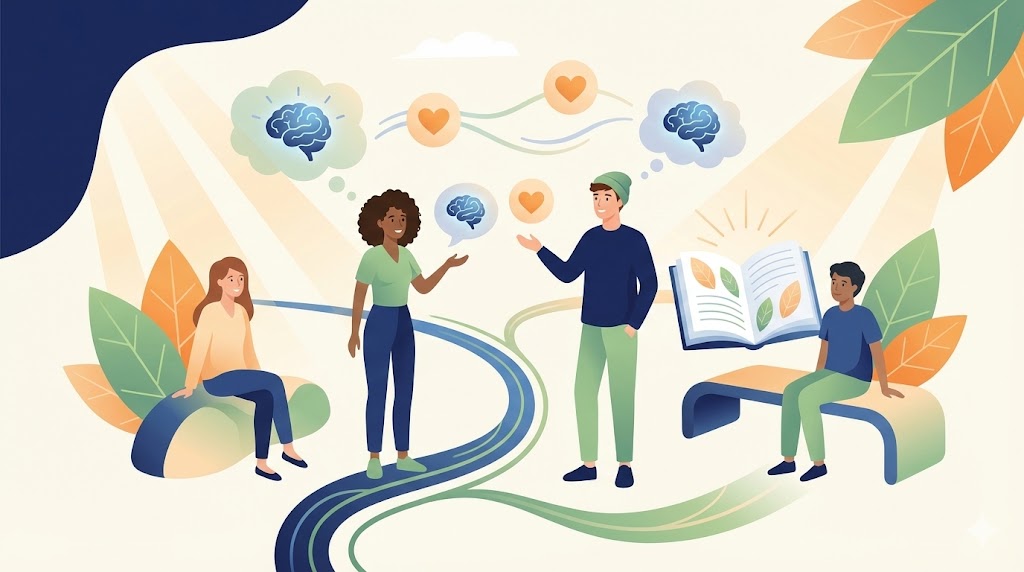
Emotions play a central role in relationships. Misunderstood feelings often lead to conflict, withdrawal, or miscommunication. When young people understand their emotions, they are better able to communicate respectfully and empathise with others.
Emotional wellbeing education supports relationship literacy by teaching empathy, active listening, and emotional responsibility. Young people learn that emotions are personal and that expressing them respectfully strengthens relationships. These skills are valuable not only in friendships and family life but also in academic and future professional environments.
Preventive Education Over Crisis Response
Emotional wellbeing is often addressed only when problems become severe. This reactive approach places pressure on young people and systems to “fix” issues after they escalate. Preventive emotional education offers a healthier alternative.
By teaching emotional awareness and coping skills early, young people are better prepared to manage everyday stress before it becomes overwhelming. Organisations like NYRREP focus on awareness-based education rather than counselling or therapy, ensuring that learning remains ethical, policy-safe, and accessible within schools and communities. Prevention builds strength before vulnerability turns into crisis.
Creating Safe Spaces for Emotional Learning
For emotional wellbeing education to be effective, young people must feel safe. Non-judgmental environments encourage openness and trust. When emotions are discussed without stigma or fear, young people feel validated and heard.
Trained educators play a vital role in creating these spaces. Structured programmes delivered with sensitivity allow young people to reflect, engage, and learn at their own pace. Safe learning environments help normalise emotional conversations and reduce shame associated with expressing feelings.
Long-Term Benefits of Emotional Wellbeing as a Life Skill
The benefits of emotional wellbeing education extend far beyond adolescence. Young people who develop emotional awareness grow into adults who handle stress more effectively, communicate clearly, and maintain healthier relationships. They are more resilient in the face of setbacks and better equipped to adapt to change.
At a societal level, emotionally aware individuals contribute to healthier families, workplaces, and communities. Preventive emotional education supports long-term social wellbeing by addressing emotional challenges at their root.
Conclusion: Empowering Young People Through Emotional Skills
Emotional wellbeing is not something young people should be expected to figure out on their own. It is a learnable, teachable life skill that deserves a place in youth education. By focusing on awareness, regulation, and emotional responsibility, emotional wellbeing education empowers young people to navigate life with confidence and balance.
Investing in emotional wellbeing today means shaping a future generation that is resilient, self-aware, and emotionally strong. When young people are given the tools to understand themselves, they are better prepared to face the world with clarity, compassion, and strength.