Why Awareness, Capacity, and Confidence Matter
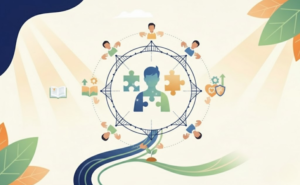
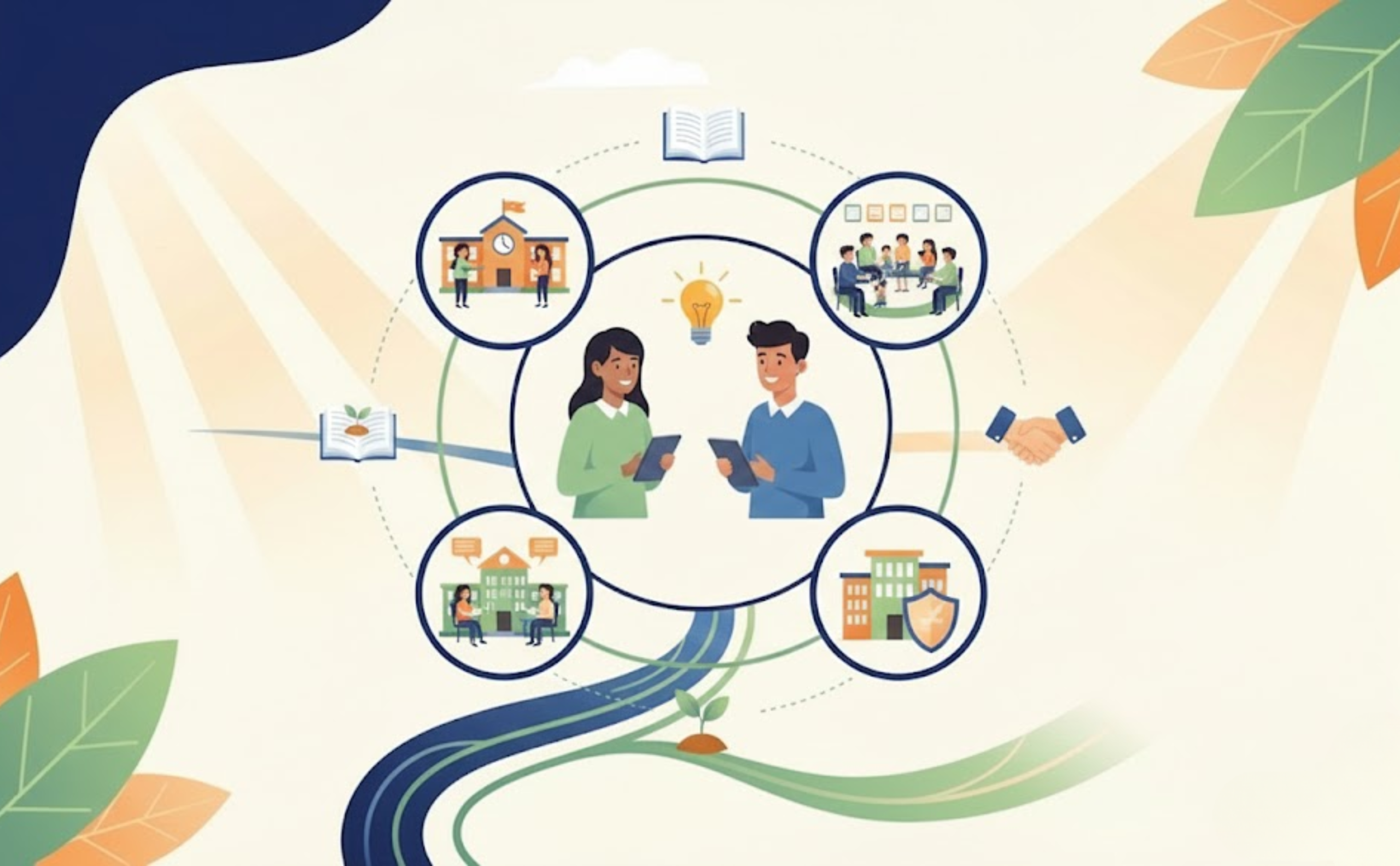
Young people today are navigating a world that demands clarity, resilience, and self-belief. Academic pressure, social expectations, digital influence, and uncertainty about the future can make adolescence overwhelming. While knowledge is important, it is not enough on its own. Young people need awareness to understand themselves, capacity to manage challenges, and confidence to act responsibly. Building these three elements together creates a strong foundation for healthy development and long-term success.
Youth education that focuses on awareness, capacity, and confidence moves beyond information-sharing and empowers young people to engage with life thoughtfully and responsibly.
Awareness: Helping Young People Understand Themselves
Awareness is the first step in personal growth. It involves understanding one’s body, emotions, relationships, and environment. Many young people experience change without context or guidance, leading to confusion or self-doubt. Awareness-based education helps normalise these experiences and provides clarity.
When young people learn about physical development, emotional responses, and social dynamics in age-appropriate ways, they begin to understand that their experiences are natural and shared. Awareness reduces fear and misinformation, allowing young people to approach challenges with understanding rather than anxiety. It also encourages curiosity and reflection, which are essential for lifelong learning.
Capacity: Developing Essential Life Skills
Capacity refers to the skills and abilities that help young people respond effectively to real-life situations. These include communication, decision-making, emotional regulation, problem-solving, and adaptability. Without these skills, even well-informed young people may struggle to apply knowledge in meaningful ways.
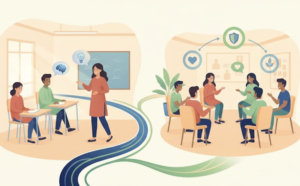
Capacity-building education focuses on practical learning rather than theoretical instruction. Young people are guided to think critically, express themselves clearly, and manage emotions constructively. Over time, they develop the ability to handle stress, resolve conflicts, and make informed choices. Building capacity prepares young people not just for academic success, but for everyday life.
Confidence: Encouraging Self-Belief and Responsibility
Confidence grows when young people feel understood, capable, and supported. It is not about perfection or dominance, but about trusting one’s ability to learn, grow, and adapt. Confidence enables young people to speak up, set boundaries, and take responsibility for their actions.
Education that fosters confidence avoids fear-based messaging and judgement. Instead, it creates safe spaces where young people feel respected and valued. When young people are encouraged to ask questions, share perspectives, and reflect on experiences, confidence develops naturally. This self-belief empowers them to make responsible decisions and engage positively with others.
The Role of Preventive Education
Many youth challenges are addressed only after they escalate. Emotional distress, relationship issues, and poor decision-making often receive attention at a crisis stage. Preventive education offers a healthier alternative. By focusing on awareness, capacity, and confidence early, young people are equipped to navigate challenges before they become overwhelming.
Preventive education emphasises preparation rather than correction. It supports young people during formative stages, helping them build resilience and clarity. This approach reduces dependence on reactive interventions and promotes long-term wellbeing.
Creating Safe and Supportive Learning Environments
For awareness and confidence to grow, young people must feel safe. Supportive learning environments encourage openness without fear of judgement or stigma. Respectful dialogue allows young people to express themselves honestly and learn from others.
Trained educators play a crucial role in creating these spaces. By guiding discussions with empathy and clarity, educators help young people engage meaningfully with complex topics. Safe environments foster trust, making learning more effective and lasting.
Learning That Respects Context and Culture
Young people do not learn in isolation. Their experiences are shaped by family, culture, community, and social norms. Education that respects these contexts is more relatable and impactful. Context-aware learning adapts language and examples to reflect real-life experiences.
When young people see their realities acknowledged, engagement increases. Respect for cultural values also builds trust with families and institutions, ensuring that education remains inclusive and sustainable.
Long-Term Impact on Individuals and Communities
Building awareness, capacity, and confidence benefits individuals and society alike. Young people who understand themselves, possess essential skills, and believe in their abilities contribute positively to their environments. They form healthier relationships, communicate effectively, and respond to challenges with resilience.
At a community level, confident and capable youth strengthen social harmony and responsible participation. Preventive, awareness-based education supports sustainable development by addressing root causes rather than symptoms.
Empowering Young People for the Future
The future demands individuals who are informed, adaptable, and emotionally balanced. By investing in awareness, capacity, and confidence today, we prepare young people to face tomorrow with clarity and strength. Education that empowers rather than instructs creates independent thinkers and responsible citizens.
When young people are given the tools to understand themselves and the world around them, they grow into confident adults who can lead, collaborate, and contribute meaningfully.
Conclusion: A Holistic Approach to Youth Development
Building awareness, capacity, and confidence is not a one-time effort—it is a continuous process. Youth education that integrates these elements creates a strong foundation for lifelong growth. By focusing on understanding, skill-building, and self-belief, we support young people in becoming resilient, responsible, and empowered individuals.
Investing in youth is investing in the future. When young people are aware, capable, and confident, they are better prepared to shape a healthier and more respectful society.