Why Collaboration Matters in Youth Development
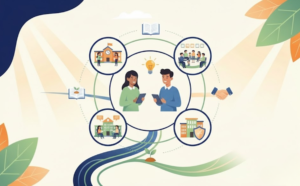
Supporting young people is a shared responsibility. No single organisation, school, or community group can address the complex needs of youth on its own. Education, emotional wellbeing, health awareness, and life skills are deeply interconnected. Collaboration brings together diverse strengths, perspectives, and resources to create meaningful and lasting impact. When institutions, educators, families, and community organisations work together, youth-focused initiatives become stronger, more inclusive, and more effective.
Collaboration ensures that young people are not supported in isolation but through a network that understands and responds to their real-life environments.
Moving Beyond Isolated Efforts
Many youth programmes operate independently, offering valuable insights but limited reach. While individual efforts matter, their impact often remains short-term or fragmented. Collaborative initiatives break this pattern by aligning goals, sharing responsibility, and reinforcing learning across different settings.
When schools, NGOs, and community organisations coordinate their efforts, young people receive consistent messages and guidance. This continuity strengthens understanding and encourages young people to apply what they learn across various aspects of their lives.
The Role of Schools in Collaborative Youth Initiatives
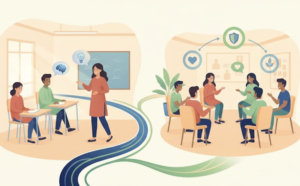
Schools are a cornerstone of youth development. They provide structure, routine, and access to young people at a critical stage of growth. However, schools often face constraints in time, resources, and specialised expertise. Collaboration allows schools to partner with youth-focused organisations that bring structured programmes, trained educators, and fresh perspectives.
Through collaboration, schools can expand learning beyond academics to include emotional wellbeing, relationship literacy, and health awareness. These partnerships enrich the educational environment without disrupting institutional frameworks.
Community Engagement as a Key Partner
Communities play a powerful role in shaping values, behaviour, and social norms. Youth-focused initiatives gain depth and relevance when community organisations are actively involved. Community-based collaboration ensures that education reflects cultural contexts, local realities, and shared values.
When learning is reinforced within communities, young people feel supported both inside and outside formal institutions. This shared involvement helps bridge the gap between knowledge and practice, making education more meaningful and sustainable.
NGOs as Connectors and Facilitators
Non-governmental organisations often act as the bridge between institutions and communities. With experience in outreach, programme design, and youth engagement, NGOs are well-positioned to facilitate collaboration. They bring structure, expertise, and adaptability to youth-focused initiatives.
Organisations like NYRREP exemplify this role by working within schools and communities while maintaining clear educational boundaries. By focusing on prevention and awareness, NGOs help align diverse stakeholders around a common purpose—empowering young people through education.
Building Trust Through Shared Responsibility
Successful collaboration is built on trust. When organisations respect each other’s roles and boundaries, partnerships become more effective. Clear communication, shared goals, and mutual accountability ensure that youth initiatives remain ethical, inclusive, and impactful.
Trust also extends to young people and their families. When multiple stakeholders support the same educational message, confidence in the initiative grows. This trust encourages participation and openness, which are essential for meaningful learning.
Enhancing Programme Quality Through Collaboration
Collaboration improves the quality of youth-focused programmes by bringing multiple perspectives into programme design and delivery. Educators contribute pedagogical expertise, community leaders offer cultural insight, and organisations provide structured frameworks.
This collective input helps programmes remain age-appropriate, culturally sensitive, and context-aware. It also allows initiatives to adapt to changing needs without compromising core values or objectives.
Long-Term Impact and Sustainability
One of the greatest advantages of collaboration is sustainability. Youth-focused initiatives that rely on a single organisation often struggle to maintain momentum. Collaborative efforts distribute responsibility and resources, making programmes more resilient over time.
When schools, communities, and organisations invest together, initiatives are more likely to continue, evolve, and expand. This long-term approach ensures that youth development is not treated as a one-time project but as an ongoing commitment.
Empowering Young People Through Unified Support
Collaboration sends a powerful message to young people—that they are valued and supported by a collective effort. When youth see educators, families, and organisations working together, they feel safer and more confident engaging with learning.
Unified support helps young people internalise positive values such as respect, responsibility, and empathy. It also encourages them to become active participants in their own development, rather than passive recipients of information.
Conclusion: Stronger Together for Youth Development
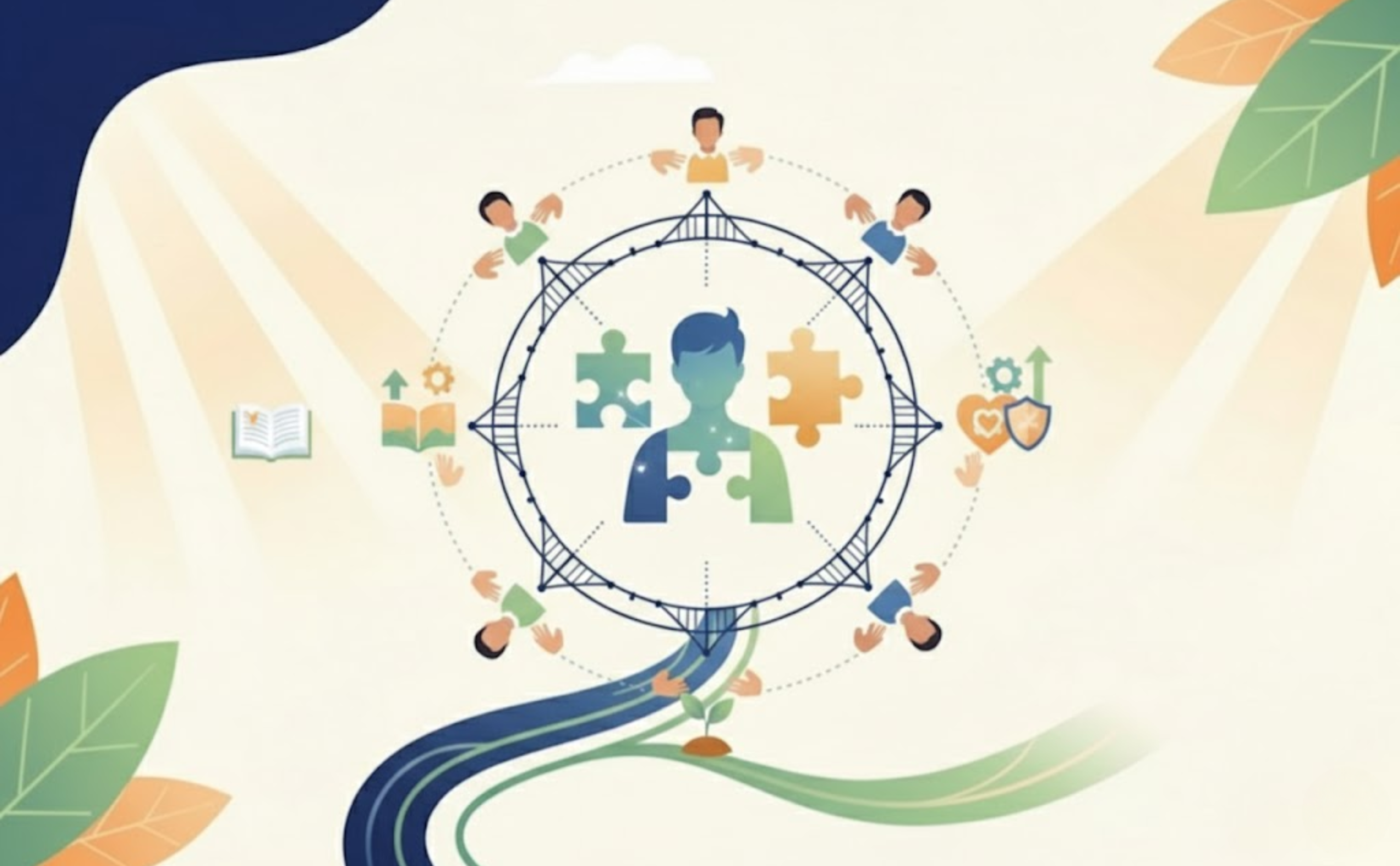
The power of collaboration in youth-focused initiatives lies in its ability to connect knowledge, context, and care. By bringing together schools, communities, NGOs, and families, collaborative efforts create a supportive ecosystem for young people to grow and thrive.
Youth development is most effective when it is shared, consistent, and rooted in real-world environments. Through collaboration, initiatives move beyond awareness to create lasting change. When we work together, we build not only better programmes—but stronger, more resilient generations.